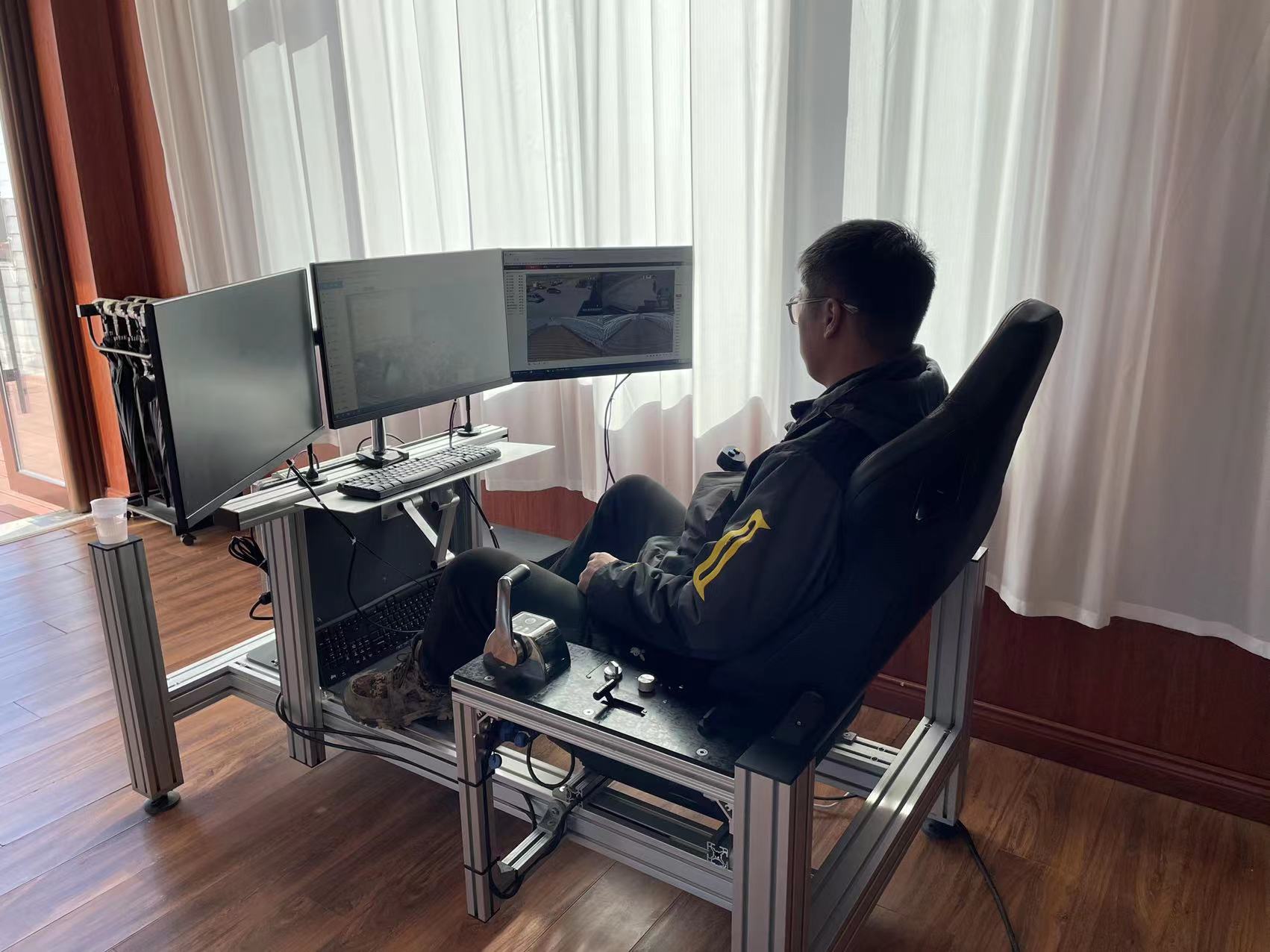
Autonomous driving and remote driving technologies
Autonomous driving and remote driving technologies
1. Core technology
Autonomous driving
-Environmental perception: GPS, LiDAR, cameras, millimeter-wave radar, etc., are used to identify terrain, crops and obstacles.
- Path planning: SLAM algorithm, AI decision-making system, optimize job paths.
- Control system: Electric/hydraulic actuator, precisely controlling steering, speed and operating tools.
Remote driving
- Low latency communication: 5G and satellite communication ensure real-time video transmission and control command issuance.
- Human-machine interaction interface: VR/ AR-assisted operation, multi-screen monitoring of agricultural machinery status and environment.
2. Application scenarios
Autonomous driving
-Sowing, fertilizing and harvesting in large-scale farmland.
-Drones precisely spray pesticides.
-24-hour continuous operation.
Remote driving
-Handling complex terrain or sudden obstacles (such as remote takeover for obstacle avoidance).
-High-risk environmental operations (such as pesticide spraying, fire monitoring).
-Multi-agricultural machinery collaborative scheduling (one control for multiple machines mode).
3. Advantages
1) Efficiency improvement
-Reduce reliance on human labor and extend working hours.
-Precise operation reduces the waste of seeds and fertilizers (such as variable fertilization techniques).
2) Enhanced security
-Remote operation reduces personnel exposure to harsh environments.
3) Flexibility
-Autonomous driving handles routine tasks, while remote driving responds to sudden demands.